




Protein has quietly become one of the biggest selling points in India’s food market.
Walk into a supermarket or open a food-delivery app and there is a good chance you will find protein bars, protein chips, protein drinks and other snacks promising a healthier choice. The change is easy to notice as more Indians are also paying attention to fitness, muscle health and what they eat during the day.
The interest in protein is not without reason. Protein is an essential nutrient that helps the body build and repair tissues and plays an important role in maintaining muscles.
But the growing popularity of protein products has also created a simpler message than nutrition really is. A packet says “high protein” and it can be tempting to assume that the food inside is automatically good for you.
That is not how a balanced diet works.
The ICMR-National Institute of Nutrition’s 2024 Dietary Guidelines for Indians put the focus on variety rather than any single nutrient.
The guidelines recommend a diet that includes different food groups because no single food can provide everything the body needs. Cereals and millets, pulses, vegetables, fruits, nuts and seeds, dairy and suitable animal-based foods can all have a place in a balanced diet depending on a person’s eating habits and nutritional needs.
That is also where the protein-snack trend needs a closer look. The protein number printed on the front of a packet tells only part of the story.
Sugar matters. Salt matters. So does saturated fat, total calories and the serving size. A snack can contain a useful amount of protein and still be heavily processed or contain other ingredients that a person may want to limit.
For consumers, the answer is not to avoid every packaged protein product. Some products can be useful when people are travelling, working long hours or simply need something convenient.
The important thing is to understand what the product is offering. A protein bar should be judged by its complete nutrition label and ingredients rather than only by the large number printed on the front.
The same attention is useful when it comes to protein supplements. The ICMR-NIN guidelines note that protein powders can come from sources such as milk, whey, eggs, soy, peas and rice.
They can also contain added sugars, sweeteners and flavouring agents. For someone already getting enough protein through a varied diet, adding a supplement does not automatically mean better health or greater muscle growth. Regular physical activity and an overall balanced diet remain important.
For most Indian households, getting enough protein does not have to mean buying a special product. Many familiar foods already provide it. Dal, chana, rajma, green gram, black gram and soybeans are useful options. Milk, curd and paneer can add protein for people who consume dairy. Eggs, fish and lean meat are other choices for those who eat animal foods.
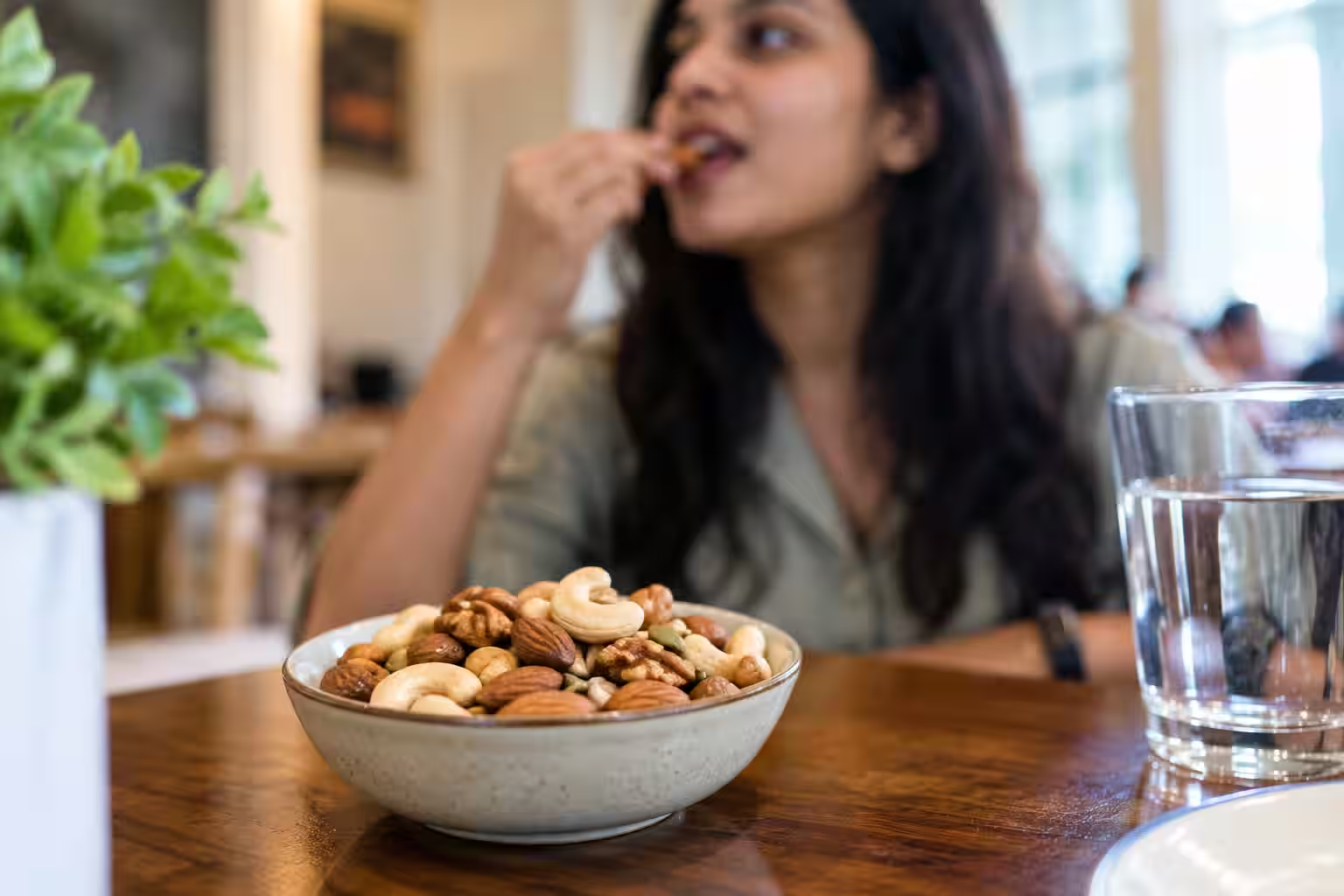
Nuts and seeds can also be part of the diet. Almonds, peanuts, walnuts, pistachios, sesame and pumpkin seeds provide protein along with other nutrients and fats. They can make a convenient snack, although portion size still matters because nuts and seeds are relatively high in calories.
Traditional Indian meals can also contribute to a good protein intake. Dal with rice, khichdi and meals that combine grains with pulses bring different sources of nutrients together. A varied diet that includes pulses, grains, vegetables, nuts and seeds can provide protein even for people following a vegetarian or vegan diet.
This does not mean that every home-cooked meal is automatically healthy either. The way food is prepared still matters. A meal can become very high in calories when large amounts of oil, sugar or salt are used. The ICMR-NIN guidelines therefore look at the overall pattern of eating rather than simply dividing food into “home-made” and “packaged”.
For someone trying to improve their everyday diet, the starting point can be quite simple. Instead of asking which food has the most protein, it can be more useful to ask whether the day’s meals contain enough variety.
Are vegetables and fruits being eaten regularly? Is there a suitable source of protein? Are whole grains or other sources of fibre included? Are highly processed foods replacing regular meals too often?
There is no single diet that will work in exactly the same way for everyone. A teenager has different nutritional needs from an older adult. Someone who trains regularly may have different requirements from someone who spends most of the day sitting.
Pregnancy and certain medical conditions can also change what a person needs. This is why general nutrition advice should not replace advice from a qualified doctor or dietitian when someone has a specific health concern.
The bigger change in India’s food culture is that people are asking more questions about nutrition than they did before. That is a positive development. The challenge is making sure the conversation does not become a race to find the food with the biggest protein number.
A balanced diet is much less complicated than the food industry sometimes makes it appear. It can include dal and rice, vegetables, fruit, curd, eggs, fish, paneer, nuts, seeds and other familiar foods in appropriate amounts. Packaged protein products can have a role too, but they are not a replacement for a varied diet.
So when the next “high-protein” snack catches your attention, there is no need to reject it immediately. Just turn the packet around and read what is actually inside. Look at the protein, but check the sugar, salt, fat, calories and ingredients as well.
And before assuming that better nutrition requires a new product, it may be worth looking at the kitchen first. India already has a long list of foods that can provide the nutrients the body needs. The real goal is not simply to eat more protein. It is to build a diet that is balanced enough to support health over the long term.