





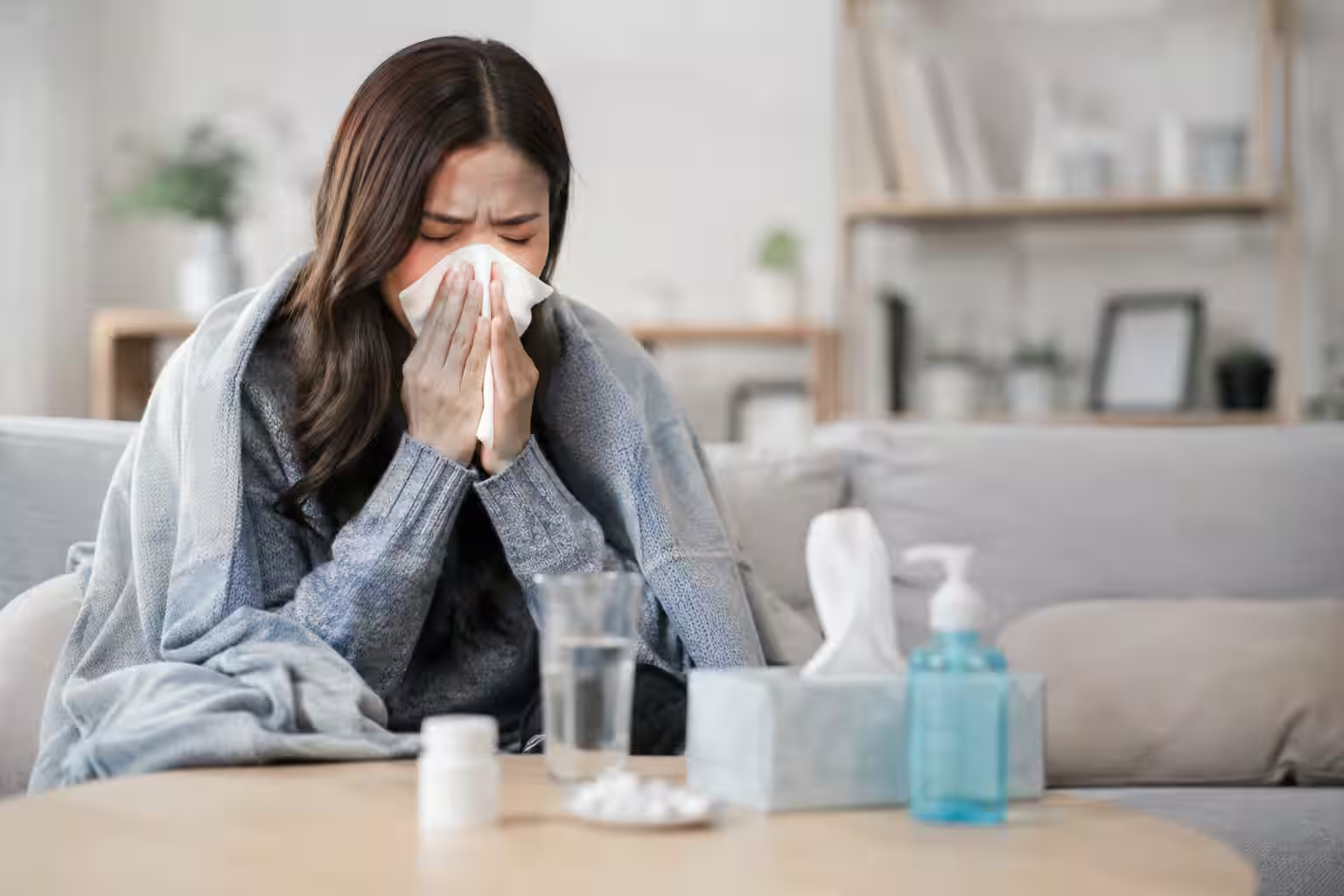
It usually starts with something easy to ignore.
A little fever. A sore throat. A cough that seems no different from the one you had last winter. Maybe you feel tired for a day and decide to carry on with work, school or your usual routine.
But when influenza is circulating in the community, those small symptoms are worth paying attention to.
Karnataka has recorded more than 4,000 laboratory-confirmed H1N1 cases this year, with Bengaluru accounting for more than 2,000 of them as of August 22. The rise has prompted the state government to review the situation with health officials.
That does not mean people need to panic. Influenza is a common respiratory infection, and most people recover without serious complications. But it does mean that some of the everyday habits we tend to forget can become particularly useful when flu is spreading.
The first is also one of the simplest: wash your hands.
After travelling on public transport, returning home, using shared facilities or before eating, cleaning your hands properly with soap and water can help reduce the chance of carrying germs to your face. If soap and water are not available, an alcohol-based hand sanitiser is another option.
Then there is the habit many of us struggle with touching our face without thinking about it. The eyes, nose and mouth can provide a route for viruses to enter the body, so keeping unwashed hands away from them is a small precaution worth remembering.
What happens when you start feeling sick matters just as much.
If you develop fever, cough, sore throat, body aches or unusual tiredness, staying home rather than pushing through the day can protect the people around you.
That may mean missing a day of work, keeping a child home from school or postponing a social gathering. It can feel inconvenient, but spreading an infection to an entire office, classroom or household is far more disruptive.
WHO also recommends covering the mouth and nose when coughing or sneezing, disposing of tissues properly and practising good hand hygiene. Wearing a mask when you have respiratory symptoms can provide another layer of protection, particularly when you have to be around other people.
The air around us matters too. Opening windows and improving ventilation can help reduce the concentration of respiratory viruses in enclosed spaces. Crowded, poorly ventilated rooms deserve a little more caution when infections are circulating.
Vaccination is another option worth discussing with a qualified healthcare professional. WHO considers influenza vaccination the best way to prevent influenza and reduce the risk of severe illness.
It is particularly important for people who face a higher risk of complications, including older adults, pregnant women, young children and people with certain chronic health conditions.
At the same time, not every cough or fever is influenza. Several respiratory infections can cause similar symptoms, so it is better not to assume you know which virus you have simply by looking at the symptoms.
For most people with mild flu, rest and adequate fluids are part of ordinary recovery. But if symptoms become severe or start getting worse, medical advice should not be delayed. People at higher risk of complications should also seek professional advice early rather than relying entirely on home care.
There is another side to this story that is easy to forget.
Protecting yourself from influenza is also a way of protecting the people sitting beside you on a bus, the colleague sharing your office, the child sitting next to yours in school or the older person at home who may be more vulnerable to complications.
Nobody can avoid every virus. We all have to go to work, travel, study, shop and live our normal lives.
But during a period when influenza is spreading, a few ordinary choices can make a real difference: clean your hands, cover a cough, let fresh air into closed rooms, stay home when you are sick and take extra care around people who may be more vulnerable.
These are not complicated measures. They are simply small acts of consideration that can help keep an infection from travelling one person further.