




For many Malayalis, Onam is not simply a festival that arrives on the calendar. It is a familiar feeling flowers being gathered for the pookkalam, the smell of a sadya being prepared at home, new clothes being brought out and families making time to sit together.
In 2026, Thiruvonam, the most important day of the ten-day Onam celebrations, falls on August 26. The festivities begin with Atham and build gradually towards Thiruvonam, with different customs associated with each day.
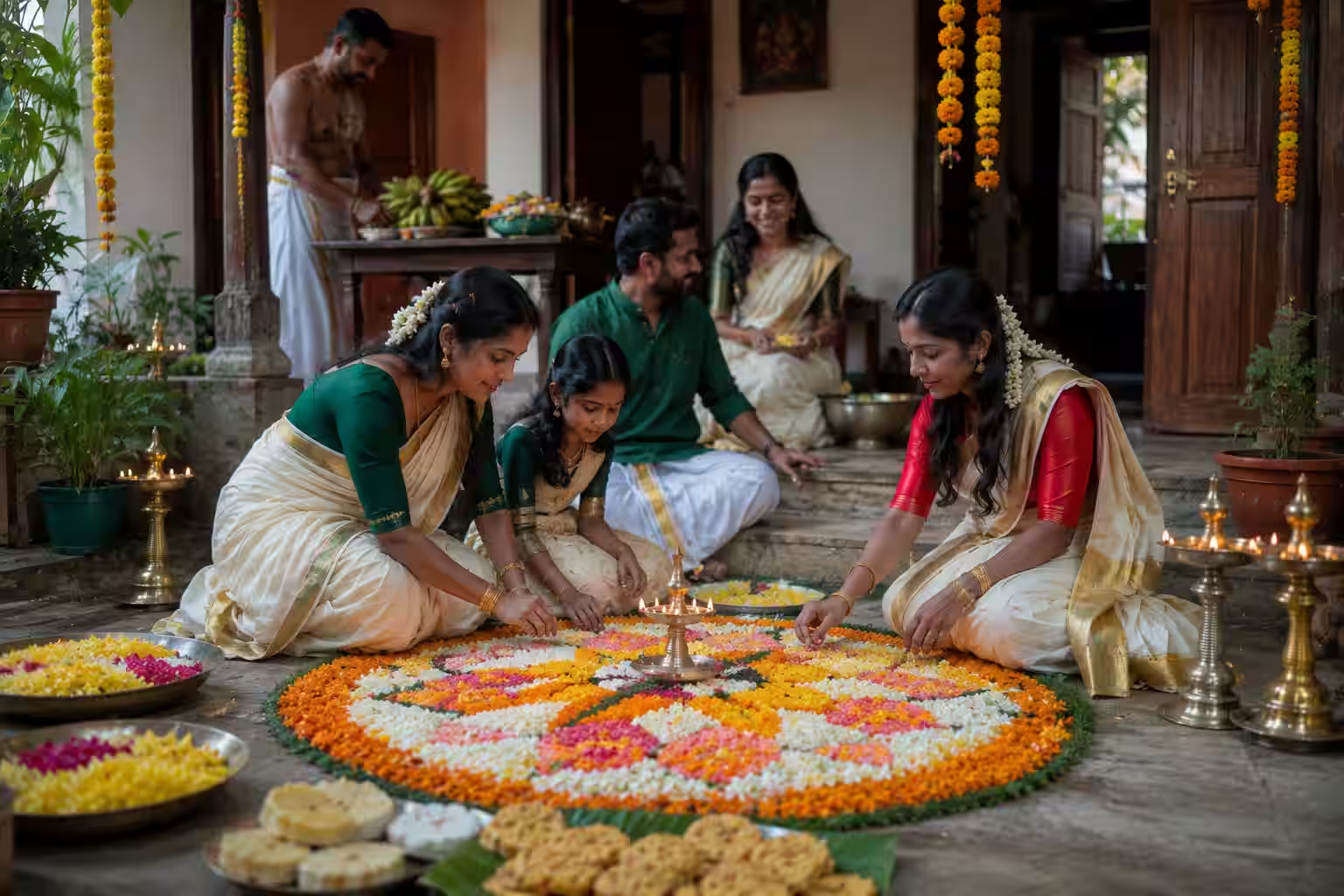
The pookkalam is one of the first things people associate with the festival. Floral designs begin appearing outside homes from Atham and become more elaborate as the days pass. For many families, making the pookkalam is as much about spending time together as it is about the finished design.
At the heart of Onam is the traditional story of King Mahabali, also known as Maveli. According to the legend, Mahabali was a generous ruler whose kingdom was remembered for prosperity and happiness.
Lord Vishnu, in the form of Vamana, is said to have asked the king for three paces of land. After Vamana covered the earth and heavens in two steps, Mahabali offered his own head for the third. The tradition says that he was then granted permission to return once a year to meet his people. Onam is associated with that annual homecoming.
Alongside the story of Mahabali, Onam is also connected with Kerala’s agricultural traditions and the harvest season. That connection is reflected in one of the festival’s most important customs the Onasadya.
Served traditionally on a banana leaf, the sadya brings together a variety of vegetarian dishes and is often one of the most anticipated parts of the celebration. For families, preparing and eating the meal can turn an ordinary home into a gathering place for relatives and friends.
Outside the home, Onam takes many forms. Vallamkali, the traditional snake boat races held in Kerala’s backwaters, draw large crowds during the season. Cultural performances and folk traditions, including Pulikali and Kaikottukali, also become part of the celebrations in different parts of the state.
What makes Onam distinctive is the way these different traditions sit together. A floral arrangement outside a house, a family meal, a boat race on the backwaters and an old story about a king may seem like separate parts of the festival. For people who celebrate it, they are all connected.
That is also why getting the details right matters. Onam is deeply woven into Kerala’s cultural life, and its meaning is not limited to one ritual or one story.
The festival changes with time, as all living traditions do. But the simple idea at its centre remains familiar: people coming together, sharing what they have and making space for one another.
For many homes in Kerala, that is what makes Onam feel like Onam.