




A short walk after eating may seem like an ordinary daily habit, but growing research suggests that moving soon after a meal can influence how the body handles the rise in blood glucose that normally follows eating.
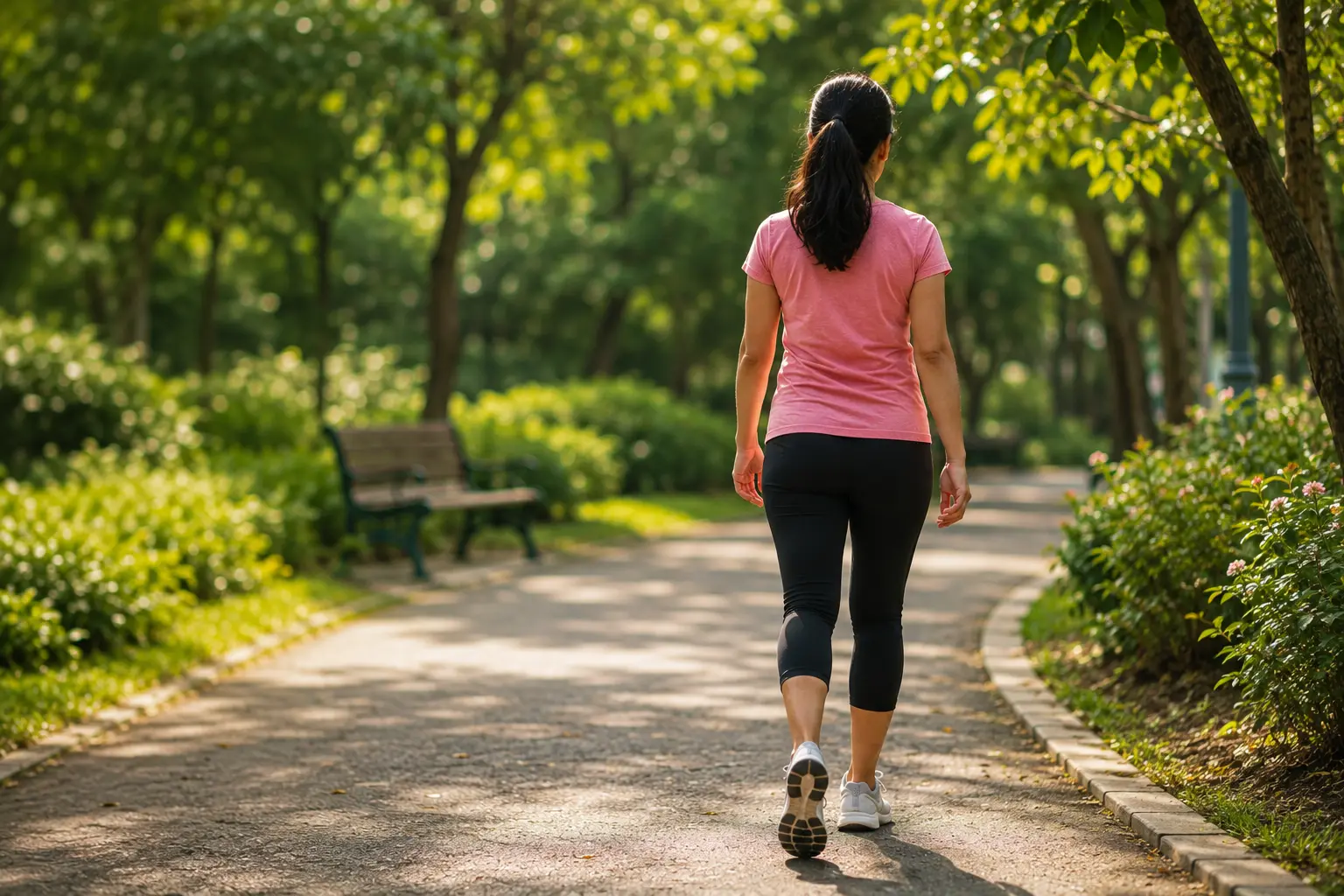
The idea is simple: instead of sitting down immediately after a meal, getting up and walking for a few minutes gives the muscles an opportunity to use some of the glucose circulating in the bloodstream.
A 2023 systematic review and meta-analysis of eight randomised crossover trials found that exercise after eating had a greater short-term effect on post-meal glucose levels than exercising before a meal or remaining inactive. The researchers also found that activity performed closer to the meal tended to have a stronger effect. However, the studies were relatively small and had limitations, so the findings should not be treated as proof that one specific walking routine is best for everyone.
More recent research has added to the evidence. A 2025 randomised crossover study involving 12 healthy young adults found that a 10-minute walk immediately after consuming glucose produced lower two-hour glucose exposure and a lower peak glucose level than resting. The researchers compared the 10-minute walk with a 30-minute walk that began later, suggesting that even a brief period of movement immediately after eating can have a measurable short-term effect.
The finding is also consistent with what happens inside the body during physical activity. When muscles contract, they can take up glucose and use it for energy, including through mechanisms that do not depend entirely on insulin. Regular physical activity can also improve insulin sensitivity over time.
But there is an important qualification. Research has not established that walking immediately after every meal is necessarily better for long-term blood-glucose control than exercising at other times. A 2024 meta-analysis found no clear overall difference between pre-meal and post-meal physical activity, while noting that the available evidence was generally low to moderate in quality and that longer, better-designed studies are still needed.
For most healthy adults, the practical takeaway is less complicated than the science. A gentle or brisk walk after eating can be an easy way to add movement to the day without requiring a gym, special equipment or a long workout. The American Diabetes Association also lists short bouts of activity, including a 10-minute walk, as a practical way to build regular physical activity into a busy schedule.
For people living with diabetes, however, exercise can affect blood glucose differently depending on medication, meal timing and exercise intensity. The American Diabetes Association advises people who use insulin or certain glucose-lowering medicines to be aware of the possibility of low blood glucose around physical activity and to discuss individual exercise plans with their healthcare team when necessary.
The bigger lesson may be about consistency rather than a perfect number of minutes. A short walk after dinner will not replace regular exercise, a balanced diet or medical care. But for someone who spends much of the day sitting, turning part of the post-meal routine into a few minutes of movement can be a simple way to become more active.
Sometimes, a useful health habit does not require a major lifestyle change. It may simply require getting up from the chair.