





MUMBAI: The Indian rupee strengthened on Tuesday, closing at ₹94.94 against the US dollar and reaching its strongest level in nearly two months as foreign-currency inflows and signs of support from the Reserve Bank of India helped the currency withstand pressure from rising crude oil prices and global market uncertainty.
The rupee gained 28 paise during the session, its third consecutive day of gains. It opened at ₹95.06 and moved between ₹94.79 and ₹95.10 before settling at ₹94.94, according to provisional market data.
The recovery comes at a time when several factors are working against the rupee. Brent crude was trading above $92 a barrel on Tuesday, raising concerns over India’s import bill, while higher global bond yields have strengthened demand for the US dollar.
Despite those pressures, the rupee found support from increased dollar inflows into Indian markets. Foreign portfolio investors brought around $3.1 billion into Indian equities during August, their strongest monthly inflow in nearly two years, according to depository data.
The latest strength also follows India’s stronger-than-expected economic performance. The country’s economy grew 7.8% in the April-June quarter, providing a positive signal to investors at a time when concerns over global growth and geopolitical tensions remain high.
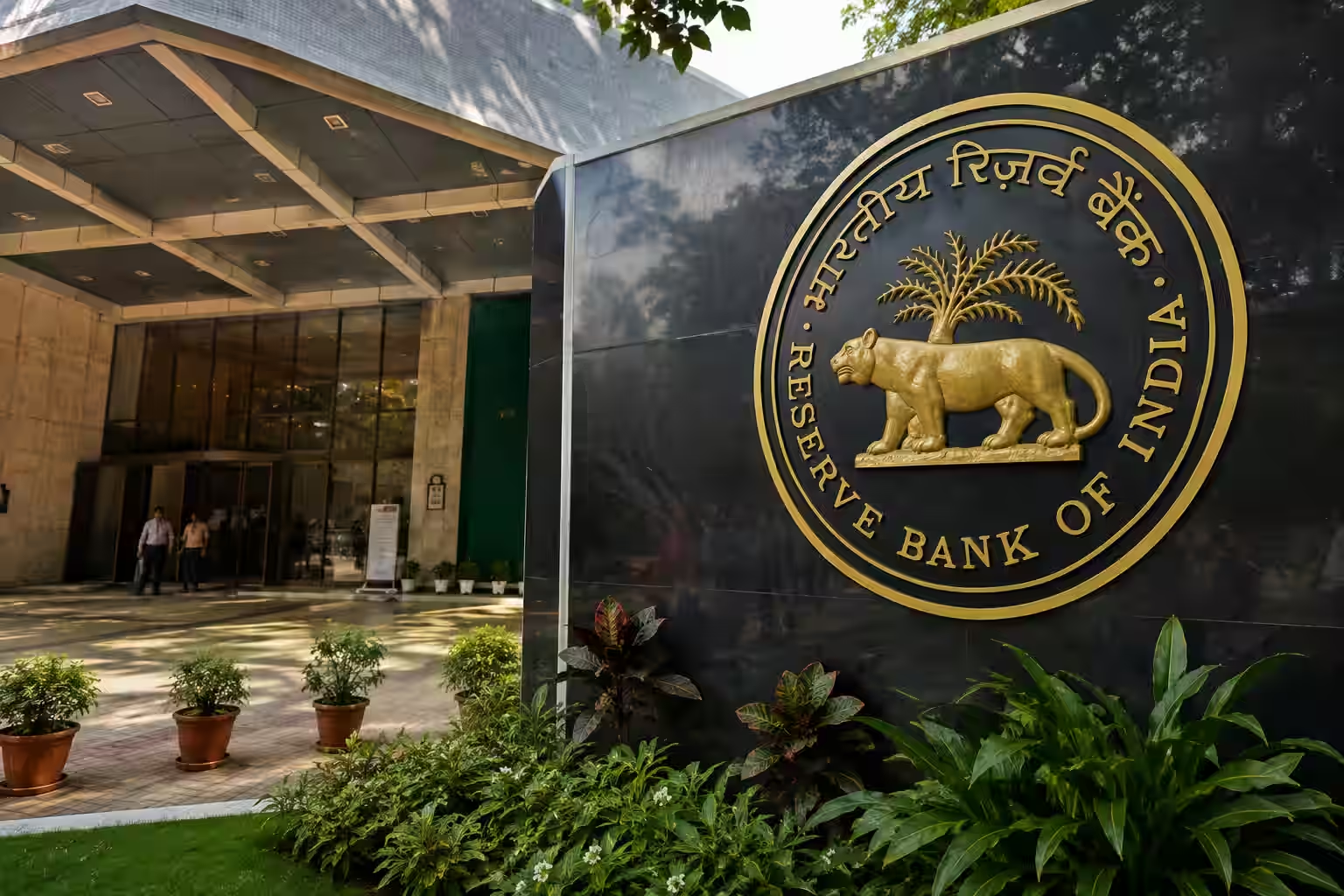
The RBI has also been closely involved in managing pressure on the currency. Market participants said the central bank was selling dollars in the foreign-exchange market, although the RBI has not publicly confirmed specific intervention during Tuesday’s trading session.
The central bank has been taking broader steps to improve foreign-currency liquidity. Under a special dollar-rupee swap facility introduced earlier this year, the RBI attracted substantial foreign-currency deposits and other inflows into the banking system. The move has strengthened the supply of dollars available to Indian banks and given the central bank greater room to manage sudden currency movements.
For Indian businesses, the rupee’s recovery offers some relief. A sharply weaker currency increases the cost of imported crude oil, machinery and other goods, while also putting pressure on companies that have payments or loans denominated in foreign currencies.
But the latest gains do not remove the risks facing the currency.
India imports most of the crude oil it consumes, making the rupee particularly sensitive to a prolonged rise in global oil prices. Renewed geopolitical tensions could push energy prices higher and increase demand for dollars, putting pressure on the currency again.
The global interest-rate outlook is another factor markets will be watching. Higher US interest rates can make dollar assets more attractive and reduce the flow of money into emerging markets such as India.
For now, however, the rupee is beginning September from a stronger position than it had just a few weeks ago. Strong domestic growth, fresh foreign investment and the RBI’s efforts to keep currency movements orderly have given the market some breathing room.
Whether that turns into a lasting recovery will depend largely on what happens to oil prices, global interest rates and foreign investment in the weeks ahead.
For the moment, the move to ₹94.94 is a modest but welcome sign of stability for a currency that has spent much of the year under pressure.