





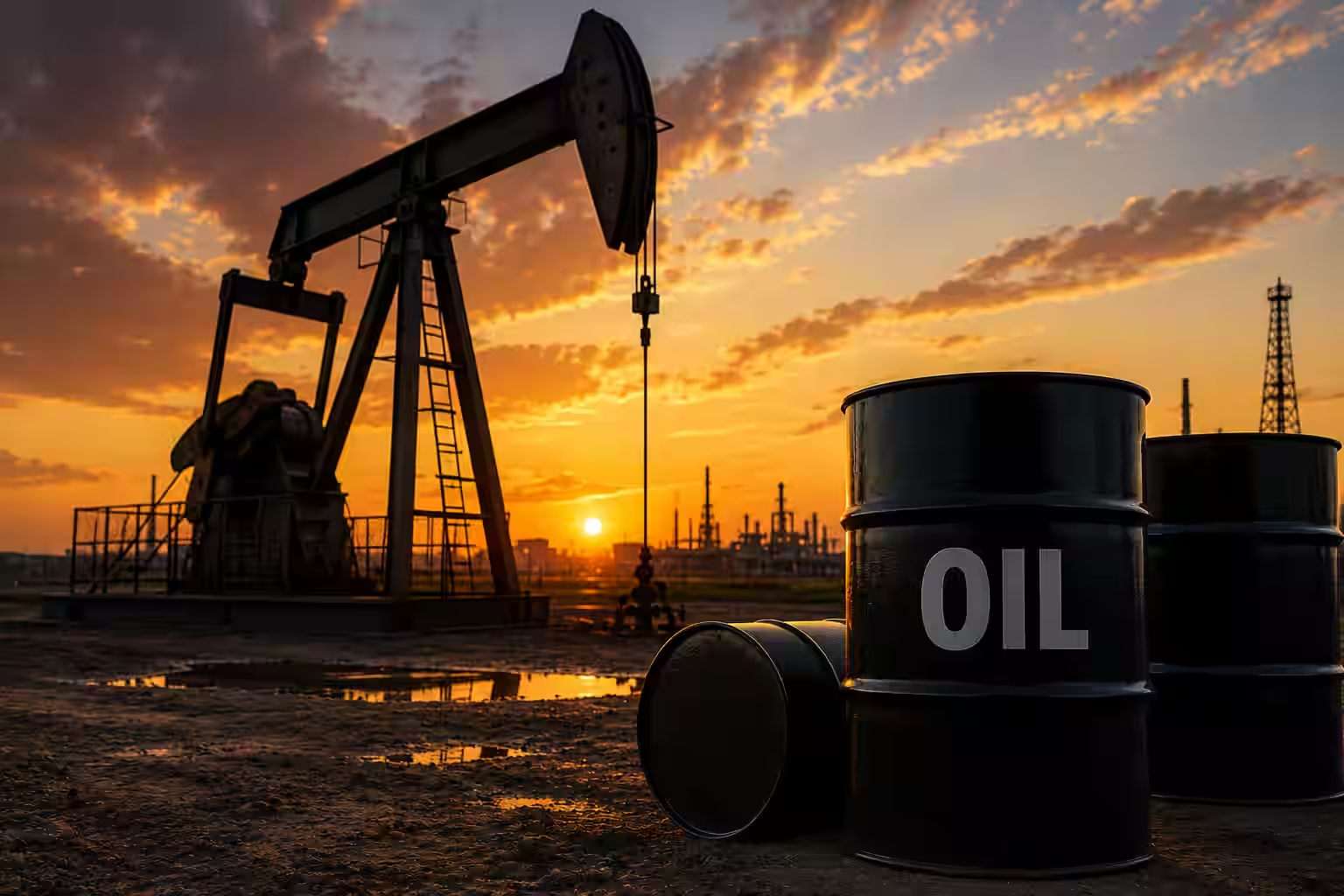
New Delhi: Indian markets opened under pressure on Wednesday as crude oil moved sharply higher following fresh US-Iran military strikes, bringing a familiar worry back to the centre of the market: what happens to India if oil keeps getting more expensive?
Brent crude moved towards $96 a barrel in early trading after jumping more than 4% in the previous session. The rise came as the latest exchange of strikes between Washington and Tehran increased fears that oil supplies from the Middle East could face further disruption.
The reaction in Mumbai was immediate. The Sensex fell more than 700 points in early trade, while the Nifty slipped below 24,000 as investors sold across several sectors. By around 9:46 am, the Nifty was down 0.89% and the Sensex had lost 0.79%.
It is the kind of market reaction that can look dramatic on a trading screen, but the bigger concern is sitting underneath it. India imports most of the crude it needs, so a prolonged rise in oil prices eventually shows up in the country’s import bill and can make the inflation picture more difficult.
There is also pressure on the rupee. The currency opened at ₹94.89 against the US dollar, compared with Tuesday’s close of ₹94.95. The Reserve Bank of India is believed to have sold dollars around the opening to keep the currency from weakening too quickly, according to market participants.
For now, the rupee is holding up better than the morning headlines might suggest. But traders are watching oil closely. If Brent stays around the mid-$90s or moves towards $100, the pressure on the currency and India’s import costs is likely to become harder to ignore.
The Strait of Hormuz is at the centre of the concern. The waterway is one of the world’s most important routes for oil shipments, and any serious disruption would immediately change the calculation for buyers around the world.
That is why every new military development in the region is now being followed almost minute by minute by energy traders.
There is another problem for markets. US Treasury yields have also moved higher, making investors more cautious about putting money into riskier assets. For India, that creates a difficult combination: expensive crude on one side and tighter global financial conditions on the other.
Indian companies will not all feel the shock in the same way. Oil producers can benefit when crude rises, while airlines, transport operators and businesses with heavy fuel costs face a more difficult environment. If higher oil prices last long enough, the impact can spread much further through the economy.
For investors, however, the immediate question is simpler. Is this another short-lived oil spike, or the beginning of a much longer period of expensive crude? The answer will depend largely on what happens next in the US-Iran conflict and whether oil shipments through the region remain uninterrupted.
For India, the difference between $95 oil and $100 oil is not just a number on a trading screen. It can mean a bigger import bill, more pressure on the rupee and a tougher job for policymakers. That is why markets are watching the Middle East so closely today.