




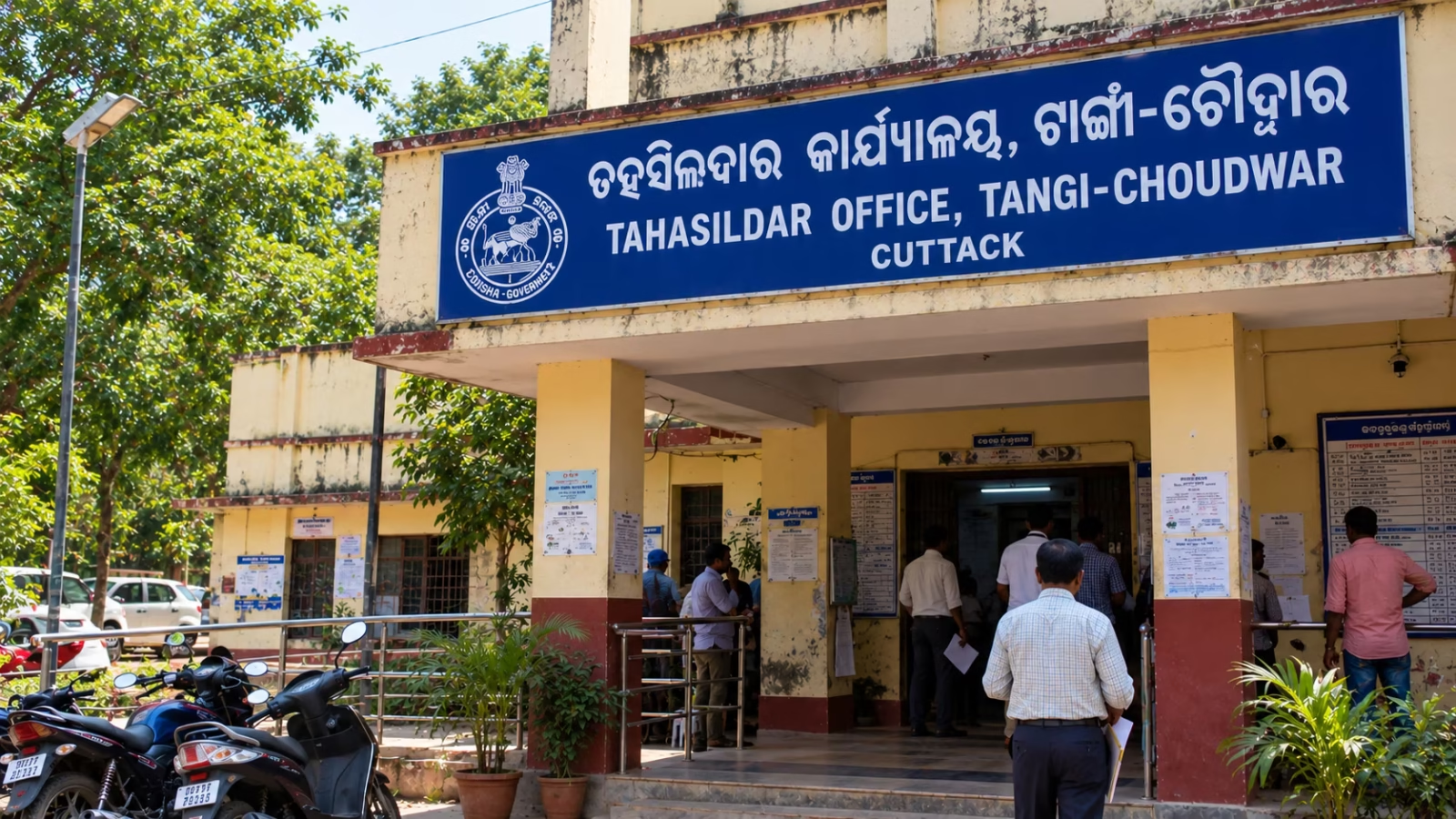
Cuttack, October 13: The Cuttack district administration has issued a letter concerning the adoption of the public mode in Odisha’s e-Despatch system at the Tangi-Choudwar Tahasil Office, according to an entry on the state government’s official portal.
The letter, listed under number 5950, was issued by the Additional District Magistrate (ADM), Cuttack, on October 13, 2026. Its subject is “Adoption of Public mode in the e-Despatch system for Citizen Transparency,” and the Tangi-Choudwar Tahasildar Office is named as the recipient.
The listing points to an administrative step aimed at citizen transparency, although the specific changes required at the tahasil office cannot be established from the entry alone.
Odisha’s e-Despatch system facilitates electronic communication between government offices. Its official FAQ explains that the Citizen Access page displays departments and details of letters dispatched and received by the respective departments and offices.
System provides a way to search available government correspondence through an online platform. The latest Cuttack entry raises questions about how public-mode access will be adopted at Tangi-Choudwar and whether residents will see any changes in the information available to them.
Tahasil offices handle revenue-related services, including land records and mutation matters. For residents dealing with government offices, access to relevant correspondence can help them understand administrative communication and identify information connected with their applications.
However, the order’s subject alone does not confirm that citizens will be able to track individual applications, access internal files or view every communication held by the office. Those details depend on the full instructions and the categories of records made available through the system.
The key issue now is how the direction will be implemented. The full letter would help establish whether the instruction introduces a new process at Tangi-Choudwar, reinforces an existing requirement or extends the use of an existing e-Despatch facility.
Cuttack district administration and the Tangi-Choudwar Tahasildar Office can clarify the implementation timeline, the records covered by public mode and whether residents need to follow any new procedure to access the information.
For citizens, the practical value of the move will depend on whether the available correspondence becomes easier to find and use. Clear implementation details would help establish what residents can expect from the arrangement.
The October 13 portal entry confirms the subject and recipient of the letter. The next step is to examine the full document and obtain the administration’s explanation before drawing conclusions about its effect on public access to government records.