





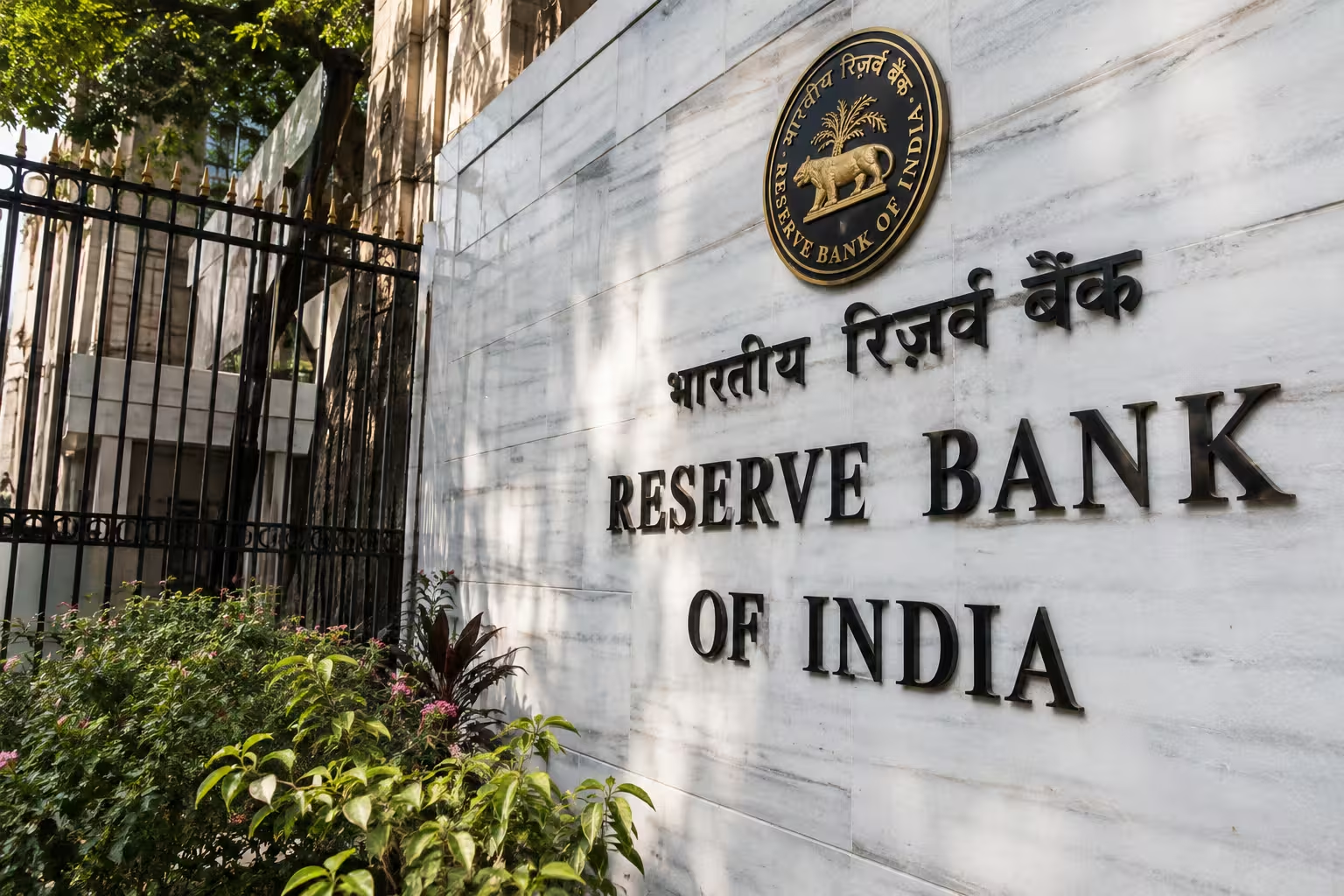
Mumbai, August 22: India’s foreign exchange reserves rose by nearly $10 billion in a week, reaching $716.907 billion as of August 14, according to data released by the Reserve Bank of India.
The increase of $9.905 billion followed a rise of more than $14 billion in the previous reporting week. The latest figure puts India’s reserves at their highest level in about six months and brings them closer to the record of $728.494 billion reached in February.
Foreign currency assets, the largest component of India’s reserves, increased by $7.225 billion during the week to $581.851 billion. Gold reserves also rose, adding $2.679 billion to reach $111.417 billion.
India’s reserves also include Special Drawing Rights held with the International Monetary Fund and the country’s reserve position with the IMF. SDRs declined marginally by $5 million to $18.74 billion, while India’s reserve position with the IMF increased by $5 million to $4.899 billion.
The rise comes after a difficult period for India’s external finances earlier this year. The Middle East conflict put pressure on global energy prices and the Indian rupee, while the Reserve Bank of India intervened in the foreign exchange market to manage volatility.
The latest increase has been supported in part by stronger foreign currency inflows. Reuters reported that India’s reserves have grown by roughly $50 billion over the past seven weeks. RBI measures introduced to attract foreign exchange, including incentives linked to overseas borrowing and foreign-currency deposits, have also contributed to the increase.
The size of India’s reserves matters because they provide a financial buffer against external shocks. A large reserve stock gives the country greater capacity to meet external payment obligations and helps the central bank respond when currency or global financial markets come under pressure.
But the number also needs to be viewed alongside the wider economic environment. The rupee closed at around ₹95.69 against the US dollar on Friday and recorded a weekly decline as higher oil prices increased pressure on the currency. The RBI has continued to intervene to prevent the rupee from weakening beyond key levels.
The latest reserve increase therefore does not mean that external pressures have disappeared. Oil prices, global capital movements, geopolitical tensions and currency demand remain important factors for India.
Still, at $716.9 billion, the reserve position gives India a substantial external cushion.
With reserves now approaching the record level reached earlier this year, the latest data provides a positive signal about the country’s ability to manage external financial pressures even as global markets remain unsettled.