


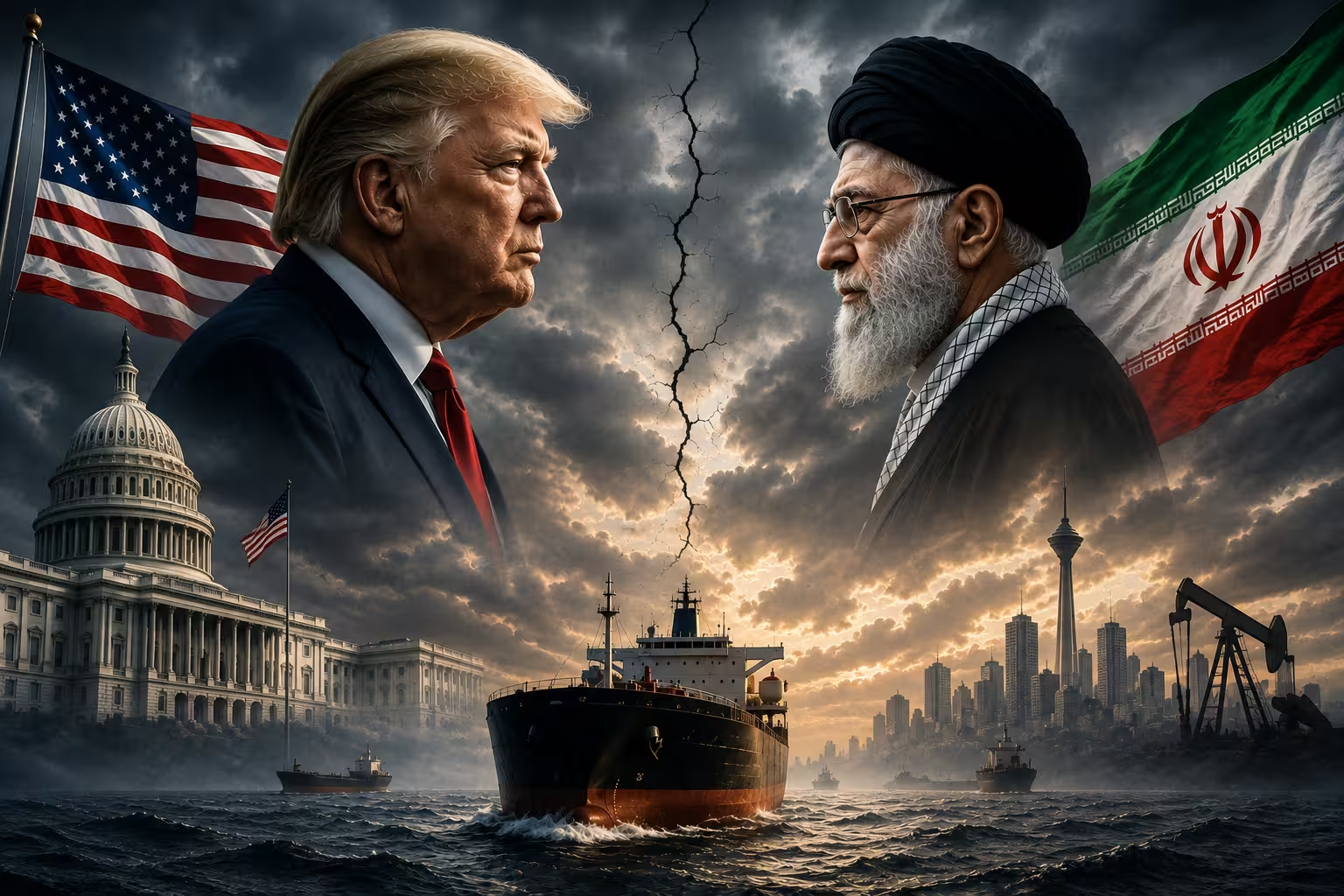
Washington: The confrontation between the United States and Iran is moving into a new economic phase, with Washington preparing tougher sanctions against Tehran while Iran warns that further pressure could trigger a wider response.
US Treasury Secretary Scott Bessent said Washington would impose what he described as the toughest sanctions in history against Iran. The measures are intended to restrict Tehran’s economic lifelines and put additional pressure on its oil revenues. President Donald Trump has also warned countries that continue supporting Iran that they could face economic consequences.
Iran has rejected the pressure. Parliament Speaker Mohammad Baqer Qalibaf said Tehran needed to overcome what he called unjust sanctions and accused the United States and Israel of pursuing economic and psychological warfare. Iranian officials have also warned of retaliation if the pressure intensifies.
The confrontation is being felt well beyond Washington and Tehran.
At the centre of the international concern is the Strait of Hormuz, the narrow waterway linking the Persian Gulf with the Gulf of Oman. Its importance to global energy supplies means any prolonged disruption can quickly affect oil prices, shipping costs and economies far from the Middle East.
Shipping through the strait has already fallen sharply. Reuters reported Friday that only a small number of commodity ships passed through the waterway, while oil prices remained elevated as markets assessed the possibility of further disruption.
China is particularly exposed. More than 80% of Iran’s shipped oil exports have traditionally gone to China, and Chinese refiners have relied on discounted Iranian crude. But Reuters reported that Iranian oil offers to Chinese buyers have declined significantly as the US blockade and shipping restrictions have tightened.
That puts Beijing in a difficult position. China has rejected unilateral US sanctions and called for dialogue, but it also has a direct economic interest in keeping energy supplies moving.
India is watching the situation for similar reasons. India is one of the world’s largest energy consumers and remains sensitive to sudden increases in crude prices. A prolonged disruption around Hormuz could raise import costs and add pressure to economies already dealing with uncertain global trade conditions.
The crisis also creates a diplomatic problem for countries trying to maintain relationships with both Washington and Tehran. The United States wants greater international pressure on Iran, while countries such as China continue to call for negotiations.
Iran, meanwhile, has linked the reopening of the Strait of Hormuz to conditions involving the US blockade, sanctions and military threats. Reuters reported earlier this week that Tehran said the waterway would remain closed until those conditions were addressed.
The immediate question is whether economic pressure will bring Iran back to negotiations or deepen the confrontation.
The answer could determine not only the next phase of the US-Iran conflict but also the stability of energy markets and shipping routes that connect the Middle East with the rest of the world.
For now, the pressure is rising on both sides and the effects are already being felt far beyond the region.