



New Delhi: At least 320 Indian nationals remain unaccounted for after devastating flash floods hit parts of Nepal near the Tibet border, according to the Ministry of External Affairs.
The figure was given by MEA spokesperson Randhir Jaiswal during a briefing on Friday, as India stepped up efforts to trace its citizens caught in the disaster.
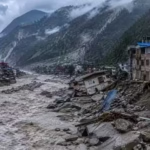
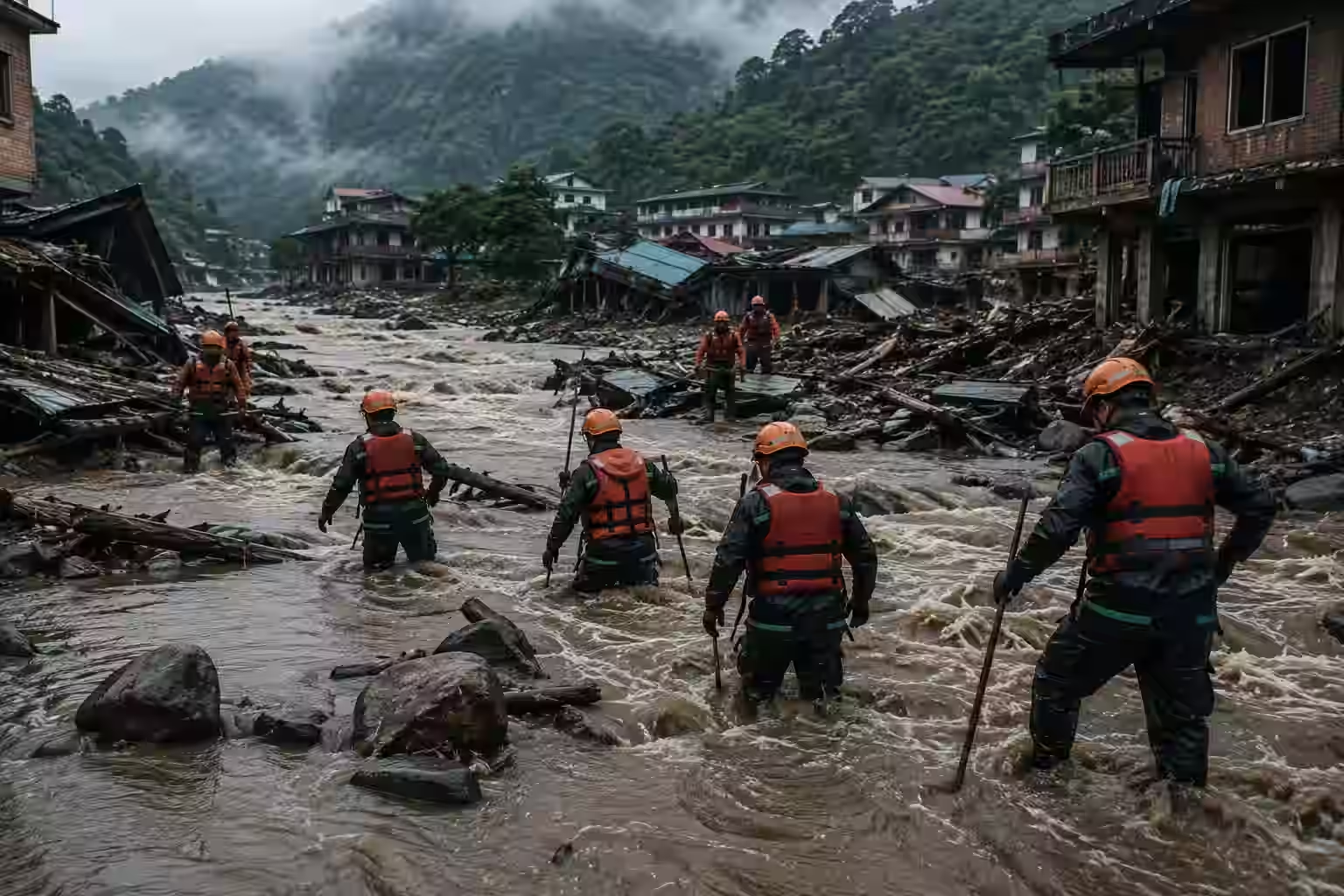
The situation remains difficult on the ground. The floods have damaged roads, bridges and other infrastructure across some of the worst-hit areas, while poor communication and difficult mountain terrain are making it harder for families and authorities to establish contact with people who travelled into the region.
The wider disaster has already claimed hundreds of lives.
Nepal’s authorities reported 579 deaths by Friday, while 1,924 people were still missing. The figures are continuing to change as rescue teams reach more affected areas and verify reports.
Among those affected are pilgrims travelling towards Mount Kailash and Mansarovar, as well as workers and tourists who were in the border region when the floods struck.
There is some relief for another group of Indians.
Around 400 Indian nationals who were stranded on the Chinese side of the Nepal-Tibet border have been reported safe and are in contact with their families. They include people travelling for the Kailash Mansarovar pilgrimage.
The MEA said 149 Indian nationals who had been stranded on the Chinese side have already crossed safely into Nepal.
India has also increased its assistance to Nepal.
A third shipment of humanitarian supplies was sent to Kathmandu, along with an 11-member medical team of doctors and paramedics and a reconnaissance team to assess difficult rescue operations, including work around tunnels.
The Indian government has also offered further assistance to Nepal as the country continues its search and rescue efforts.
For families across India, however, the most important question remains unanswered: where are their relatives?
The number 320 does not mean that these people have been confirmed dead. It refers to Indian nationals whom authorities have not been able to contact or who have been reported missing. Officials are continuing to reconcile lists and verify information as rescue operations move forward.
That distinction is important, particularly at a time when unverified information can spread quickly through social media.
The disaster has also created concern about a possible second wave of flooding. Authorities have been monitoring water levels near a newly formed barrier lake close to the Nepal-Tibet border, although rescue operations have resumed after officials assessed the immediate risk.
For now, Indian and Nepalese authorities are focused on locating survivors, bringing stranded people to safety and helping families get reliable information.
For the relatives waiting at home, every confirmed phone call brings relief. For those still waiting, the search continues.