



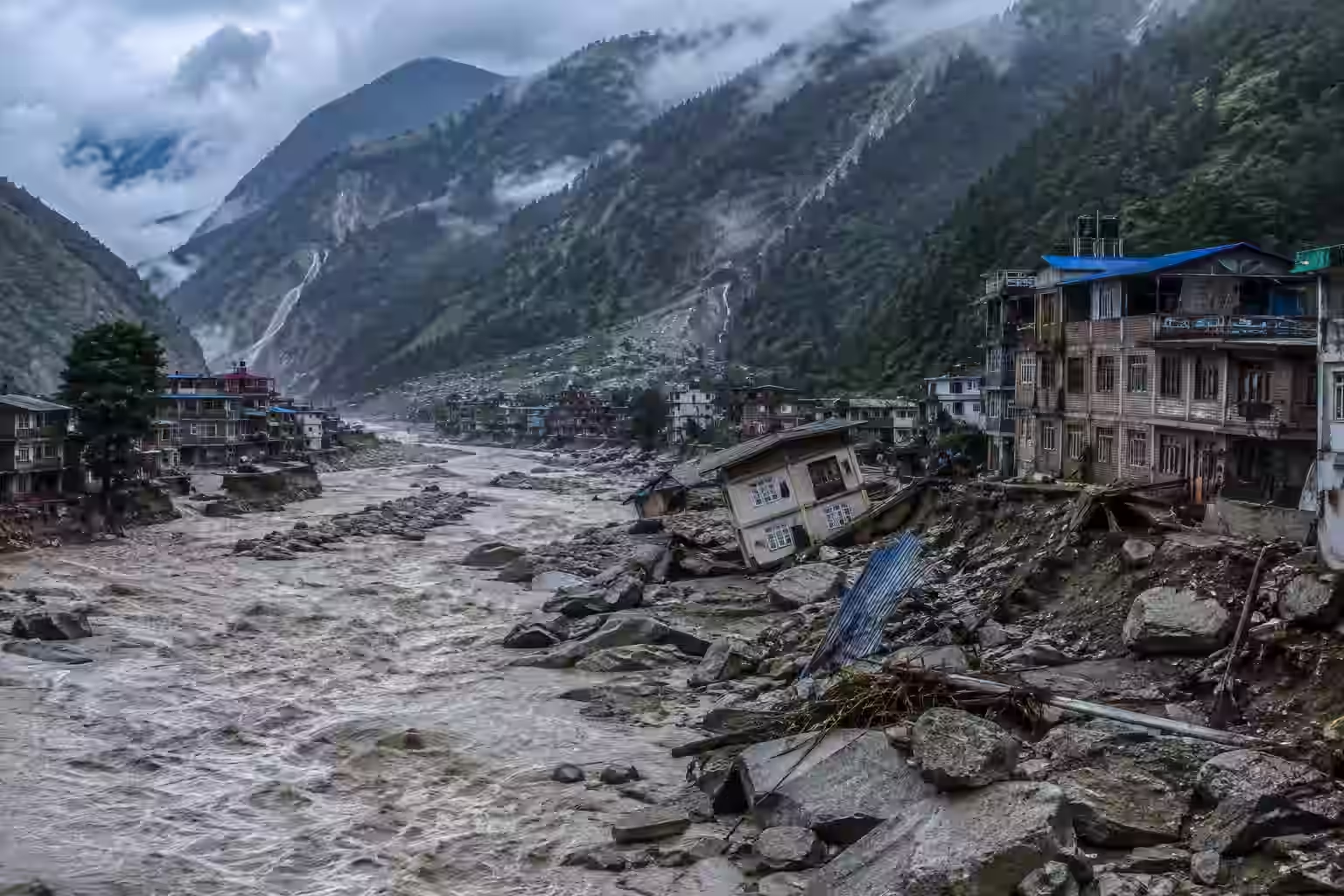
Nepal is facing one of its worst flood disasters in recent years, with rescue teams continuing to search through mud and debris for people still missing after a devastating flash flood along the Nepal-China border.
The situation remains dangerous even as rescue operations continue.
Nepali authorities have reported that the death toll has risen sharply, with the latest updates putting the number of deaths in Nepal at 547. China has separately reported five deaths in Tibet. More than 1,500 people remain missing across the two sides of the border.
The numbers are still changing as rescue teams reach areas that were cut off by the disaster.
The floods struck after what preliminary investigations indicate was a glacial collapse in the Himalayan region. A huge amount of ice, rock, water and mud moved into river valleys, sending a powerful surge downstream and destroying homes, roads, bridges and other infrastructure.
Some of the worst damage has been reported in Nepal’s Rasuwa district and around the Nepal-Tibet border.
Rescue workers are facing a difficult task because many roads and bridges have been washed away. In some areas, helicopters are the only practical way to reach people who are stranded.
Nepal has mobilised thousands of security personnel for the search and rescue operation. The latest government figures say more than 3,700 people have been rescued so far.
But the search is far from over.
Another concern has now emerged in the form of a lake created by debris upstream. Authorities have warned that the water body is unstable and has already begun overflowing, raising the possibility of another round of flooding.
Rescue teams and residents in vulnerable areas have been told to remain alert and move to safer locations if necessary.
The disaster has also affected people from several countries who were travelling in the region for tourism, trekking, work and pilgrimage.
Nepal’s tourism authorities have reported hundreds of foreign tourists who have been out of contact since the floods. Indian nationals make up a significant part of those reported missing.
For families waiting for news, the situation remains deeply uncertain. Communication has been disrupted in several parts of the affected region, and damaged roads are making it difficult for officials to reach some locations.
The International Red Cross estimates that at least 93,000 people have been affected and are in serious need of assistance. UNICEF has also said that around 17,000 children urgently need humanitarian support.
The disaster has raised wider concerns about the growing risks faced by communities living in the Himalayan region. Scientists say the immediate cause of this flood was a glacial collapse, while also warning that a warming climate is increasing the risks of glacier-related disasters in the Himalayas.
For now, however, the priority remains much more immediate.
Rescue teams are still looking for people who may be alive, families are waiting for information about missing relatives, and authorities are trying to keep communities away from areas where another flood could occur.
The full scale of the disaster will become clearer only as rescuers reach more of the affected areas.
For thousands of families, the wait for news continues.