



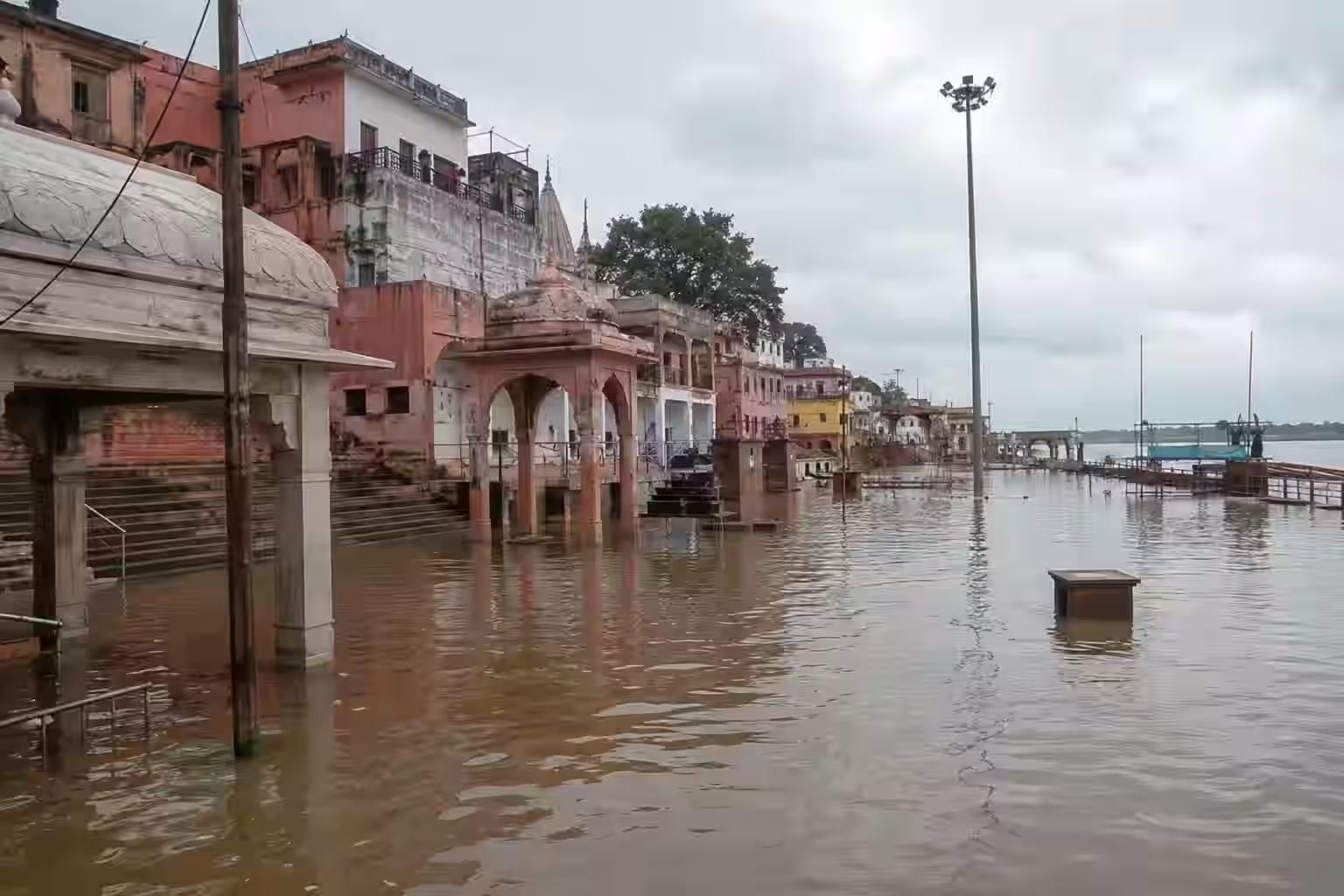
The water has taken over parts of Ram Ghat.
The steps, shops and stretches of the riverside that are normally busy with pilgrims are now surrounded by the swollen Mandakini. In some areas, people have had to leave their homes and move to safer places as the river continued to rise after heavy rain.
Chitrakoot is now on high alert.
The Mandakini crossed its previous record water level from 2003, reaching 134.02 cm, according to Chitrakoot District Magistrate Pulkit Garg. The river had crossed the danger mark, and low-lying areas around Ram Ghat and Nirmohi Akhada were among those affected.
The flooding has changed life around the pilgrimage town quickly. Shops have gone under water, and some temples and monasteries have also been affected. Roads in flooded stretches have become difficult to use, while rescue teams have been moving people out of areas where the water has entered.
For the administration, the immediate concern is keeping people away from the river.
Chitrakoot Police are using drones to watch the flooded areas and track the movement of the water. Superintendent of Police Arun Kumar Singh has directed the surveillance operation, while the district administration and police are checking areas where residents and pilgrims may be stranded.
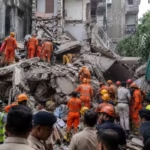
NDRF and SDRF teams have also been deployed for rescue operations. Officials said food, medicines and other essential supplies are being provided to people affected by the flooding, while residents and visitors have been asked to stay away from the river and ghats.
The flooding has not been limited to the immediate riverbank.
Several villages in the Chitrakoot area have reported inundation, and the rising water has also affected roads connecting different parts of the region. A bridge on the route between Ram Ghat and Hanumandhara was reportedly washed away by the strong current.
The situation is also being felt across the border in Madhya Pradesh.
The Mandakini flows through the Uttar Pradesh-Madhya Pradesh border region, and heavy rain has affected parts of Satna and surrounding areas. Rescue teams have been working there as well. Two people were airlifted from the Chitrakoot area by an Indian Air Force helicopter, while hundreds of others have been moved to safer locations.
The scale of the flooding has made the response a joint effort involving the district administration, police, NDRF, SDRF and other emergency teams.
But for people caught in the flood, the bigger concern is what happens after the water enters their homes and shops.
A shopkeeper whose business is under water is not just dealing with a flooded building. The day’s income is gone. A family forced onto a rooftop is thinking about where it will sleep that night. And for people living close to the river, every additional rise in the water level brings another question about whether they will have to leave.
That is why officials are continuing to monitor the river even though the district administration says the situation is currently under control.
The flooding has also disrupted movement around the town. With water covering parts of roads and bridges, authorities have had to restrict traffic on some routes. The damage to infrastructure could become another problem once the water begins to recede, particularly for communities that depend on these roads for access to markets, hospitals and other services.
Chitrakoot is also an important pilgrimage destination, which means the flooding has affected visitors as well as local residents.
Ram Ghat would normally be a place of activity, with pilgrims gathering along the Mandakini and shops serving visitors. This week, the priority has been very different: getting people away from the water and making sure those already stranded can reach safety.
Officials have continued to ask people not to approach the ghats simply to watch the river.
That warning matters because floodwater can remain dangerous even when it appears to be moving slowly. Strong currents, damaged roads and weakened structures can create risks that are not immediately visible.
For the rescue teams, the work is therefore not finished when someone is moved to higher ground. They also have to keep checking affected areas, deliver supplies and remain prepared if the river rises again.
The Mandakini has already crossed a water-level record that had stood for more than two decades. The immediate response is focused on protecting people and limiting further damage.
What happens next will depend largely on the rainfall and how quickly the river level comes down.
Until then, Chitrakoot remains on alert.
For the people living beside the Mandakini, the hope is simple: that the river stops rising, the water begins to recede and they can return home without having to wonder what the next hour will bring.