




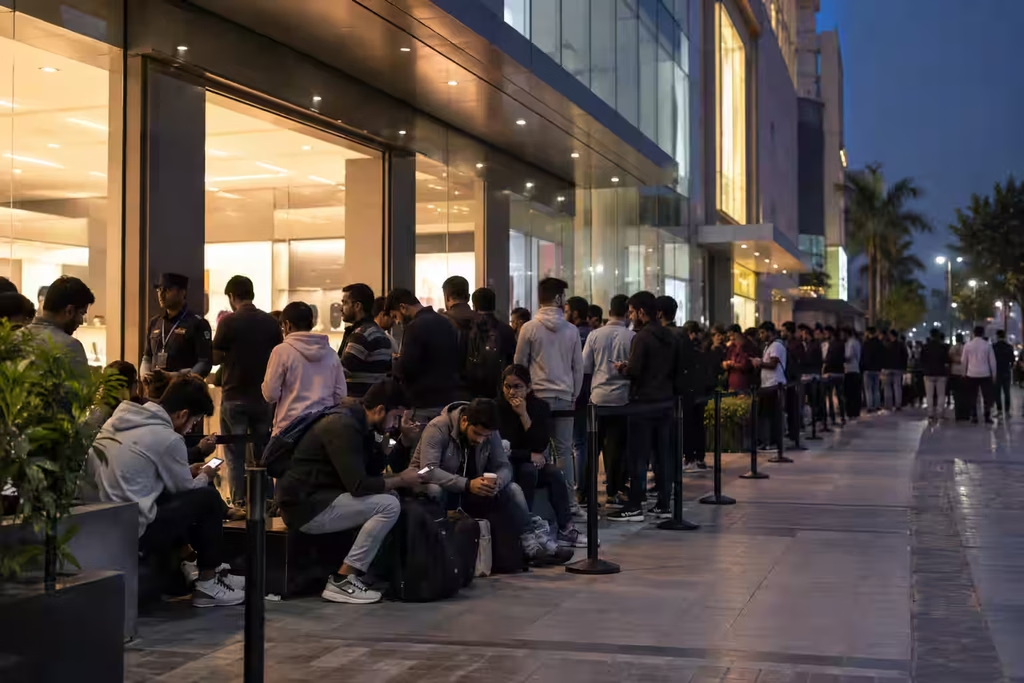
When Apple’s latest iPhone 18 Pro and iPhone 18 Pro Max went on sale in India on September 18, long queues formed outside Apple Stores in Delhi, Mumbai, Bengaluru and other cities. Some customers arrived during the early hours, while others reportedly waited overnight to get their hands on the newest models.
The phones were also available through online platforms and authorised retailers, with options such as bank offers, trade-ins and EMI schemes. Yet many people still chose to stand outside a store for hours. For some, the launch was described as a festival. For others, it was simply the excitement of becoming one of the first owners.
Watching these scenes raises a question that goes beyond Apple or the smartphone market: why would someone spend an entire night waiting for a phone when the same product can be purchased without standing in a queue?
Is the iPhone still mainly about technology and innovation, or has it also become a symbol of status, identity and social recognition?
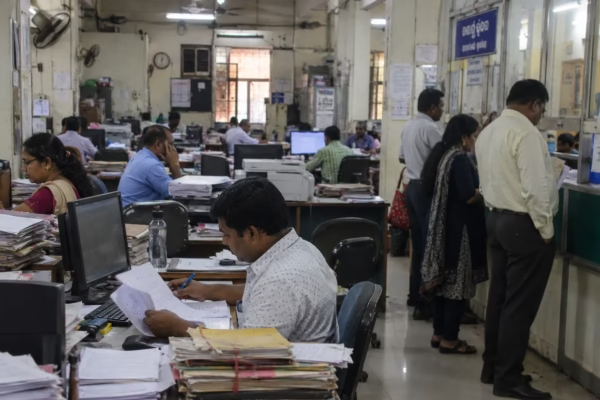
I have often thought about this change from the perspective of living in Odisha. Around 2010 to 2015, owning an iPhone appeared different from owning one today, particularly in smaller towns and districts. At that time, an iPhone was not something everyone carried. When someone bought one, it could attract attention. The phone itself communicated something about the owner’s financial position, lifestyle and aspirations.
In many places, carrying an iPhone was a way of showing that someone had reached a particular level of success. The device was used for calling, messaging and taking photographs, but it could also become part of a person’s public image. People noticed the logo, the design and the model being used.
That does not mean every iPhone owner from that period bought the device for attention. Some wanted its camera, software experience or design. But the rarity of the product made its status value more visible. If only a small number of people in a community owned an iPhone, the phone naturally stood out.
The situation has changed considerably. Apple has expanded its presence in India, older models remain available at lower prices and premium smartphones can be purchased through exchange offers and monthly instalment plans. iPhones are no longer limited to a small group of wealthy consumers. They have become a familiar part of the smartphone market.
The meaning of owning an iPhone has therefore become more complicated. It can still represent status, but it is no longer necessarily rare enough to create the same impression it did more than a decade ago. A person may own an iPhone because of professional requirements, personal preference, financial planning or the desire to participate in a premium brand experience.
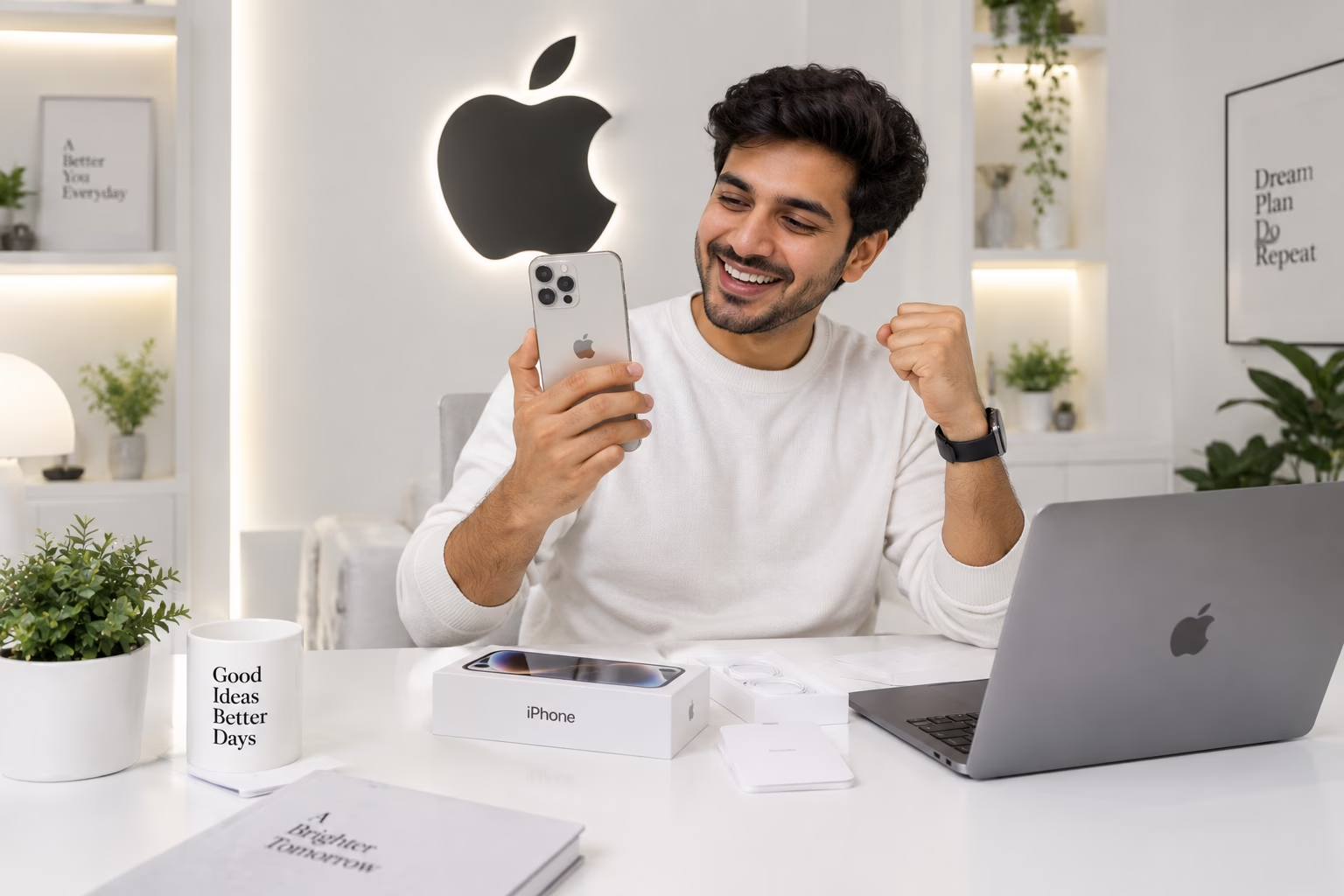
For content creators, the technology argument is genuine. A reliable camera, video recording capabilities, processing performance, colour consistency and software support can make a practical difference. Someone who produces videos, records interviews, creates short films or manages professional content may use features that an ordinary smartphone user rarely needs.
The Apple ecosystem can also be valuable to people who use a Mac, iPad, Apple Watch or other connected devices. Software updates, security features and a familiar user experience may influence a purchase. In such cases, the iPhone serves as a practical tool that fits into a person’s work and daily routine.
However, the technology argument does not explain every purchase. Most people use their phones for activities such as messaging, social media, online payments, photography, entertainment and video calls. These tasks can be performed effectively on many less expensive smartphones. A more expensive phone may offer improvements, but the practical value of those improvements depends on how the owner uses the device.
The question of status becomes relevant when we consider how a premium phone can provide both functional benefits and emotional satisfaction. A buyer may enjoy the camera and also feel proud of owning the latest model. Someone may genuinely appreciate the design while also wanting friends or colleagues to notice the device. These motivations do not always exist separately.
The use of EMI makes this discussion more important. A person who cannot pay the entire price immediately may choose a credit-card offer, consumer loan or monthly instalment plan. Financing can be a sensible way to manage a planned purchase, particularly when the buyer has stable income and understands the total cost.
But financing can also make an expensive purchase appear more affordable than it actually is. The monthly payment may seem manageable even when the overall price places pressure on a household budget. The decision becomes more complicated if someone purchases a phone mainly because they feel the need to match the lifestyle of friends, colleagues or people seen on social media.
Actor Sonu Sood also joined the conversation, reacting to the excitement around the iPhone launch with a post on X. Sharing his perspective on consumer spending and everyday financial pressures, he wrote, “New phone, new EMI… same old bills! 😂 Maybe it’s time we queue up to make a difference, not just upgrade our phones. The real upgrade is a better society. ❤️” His comment adds another dimension to the discussion, shifting attention from the excitement of owning a new phone to the financial responsibilities and wider priorities that people face.
We should be careful here. There is no reliable evidence to conclude that most Indians buy iPhones through loans simply to show off. People have different financial circumstances and motivations. Some buyers plan their purchases, some exchange older phones and some use EMI because it helps them manage cash flow. Others may be influenced by status or social comparison. The available market data cannot automatically tell us what every individual buyer is thinking.
The overnight queues offer a different way to understand the obsession. If the phone is available online, why wait outside a store throughout the night?
The answer may involve more than the product itself. Launch-day buying can create a sense of participation. Customers may want to experience the excitement, meet other fans, record videos for social media or become part of a moment that attracts public attention. Being among the first buyers can provide satisfaction even when the phone could have been delivered to their home.
Apple has built a strong relationship with its customers over many years. Product launches are designed as moments of anticipation, curiosity and celebration rather than routine sales events. The brand’s presentation, retail experience and loyal customer community help turn a device launch into a cultural event.
That does not mean the excitement is artificial for every customer. People can develop genuine emotional connections with products they use for years. A phone stores photographs, conversations, memories and work. For some users, upgrading to a new model can feel like entering the next stage of a familiar experience.
At the same time, the yearly upgrade cycle deserves closer examination. A person who purchased a recent iPhone may still have a phone that performs well. The new model may bring improvements in cameras, processing power, battery performance or other features, but not every user will notice a major difference in everyday activities.
The real question concerns the value of the improvement for each individual buyer. A professional videographer may have a clear reason to upgrade. Someone whose existing phone works properly may be making a different kind of decision, influenced more by desire, novelty or the feeling of owning the latest product.
India’s growing premium smartphone market reflects rising purchasing power, wider access to financing, changing consumer expectations and stronger interest in technology. It also reflects aspiration. People want better products, but they may also want the experience and recognition associated with those products.
This is not limited to Apple. Similar patterns can be seen in premium cars, branded clothing, watches, motorcycles and other consumer products. A product can serve a practical purpose while also becoming a symbol of achievement. The difference lies in how much importance the buyer gives to each side.
I believe the more interesting question is whether we have started confusing a product’s value with the status it appears to give its owner. The issue goes beyond whether someone should buy an expensive phone. It concerns the way we measure success, make purchasing decisions and connect our identity with the products we own.
Technology should improve our lives. It can help someone work more efficiently, create better content, communicate securely or explore new possibilities. But the price of a device does not automatically determine its usefulness, and owning the latest model does not necessarily demonstrate greater success.
For someone living in a smaller district of Odisha, the sight of an iPhone once carried a sense of rarity. Today, the device is more widely available, yet the desire for the newest model remains powerful. The symbol may have changed, but the emotional appeal has not disappeared.
People standing in line overnight may be technology enthusiasts, loyal Apple customers, content creators, resellers or buyers who simply want to experience the launch. Their reasons cannot be reduced to one explanation.
The iPhone is a phone, but it has also become something more like a tool or a lifestyle product, a personal preference and for some people a public statement. Understanding that difference may tell us more about modern consumer culture than the specifications of any single model.